
3 Essential Mobility Drills for Better Thoracic Rotation & Hip Separation in the Golf Swing
An efficient golf swing isn’t about swinging harder—it’s about moving better.
At the core of every powerful, consistent swing is one key concept: DISSOCIATION.
Dissociation is the ability to rotate the thoracic spine independently from the hips. This separation creates torque, protects the spine, and allows power to transfer smoothly from the ground, through the body, and into the club.
When thoracic mobility is limited or the hips can’t stabilize and rotate independently, the body compensates—often at the lumbar spine, shoulders, or elbows. Over time, that leads to loss of power, inconsistency, and injury.
Below are three targeted mobility drills to improve thoracic rotation and hip separation—fundamental qualities for an optimal golf swing.
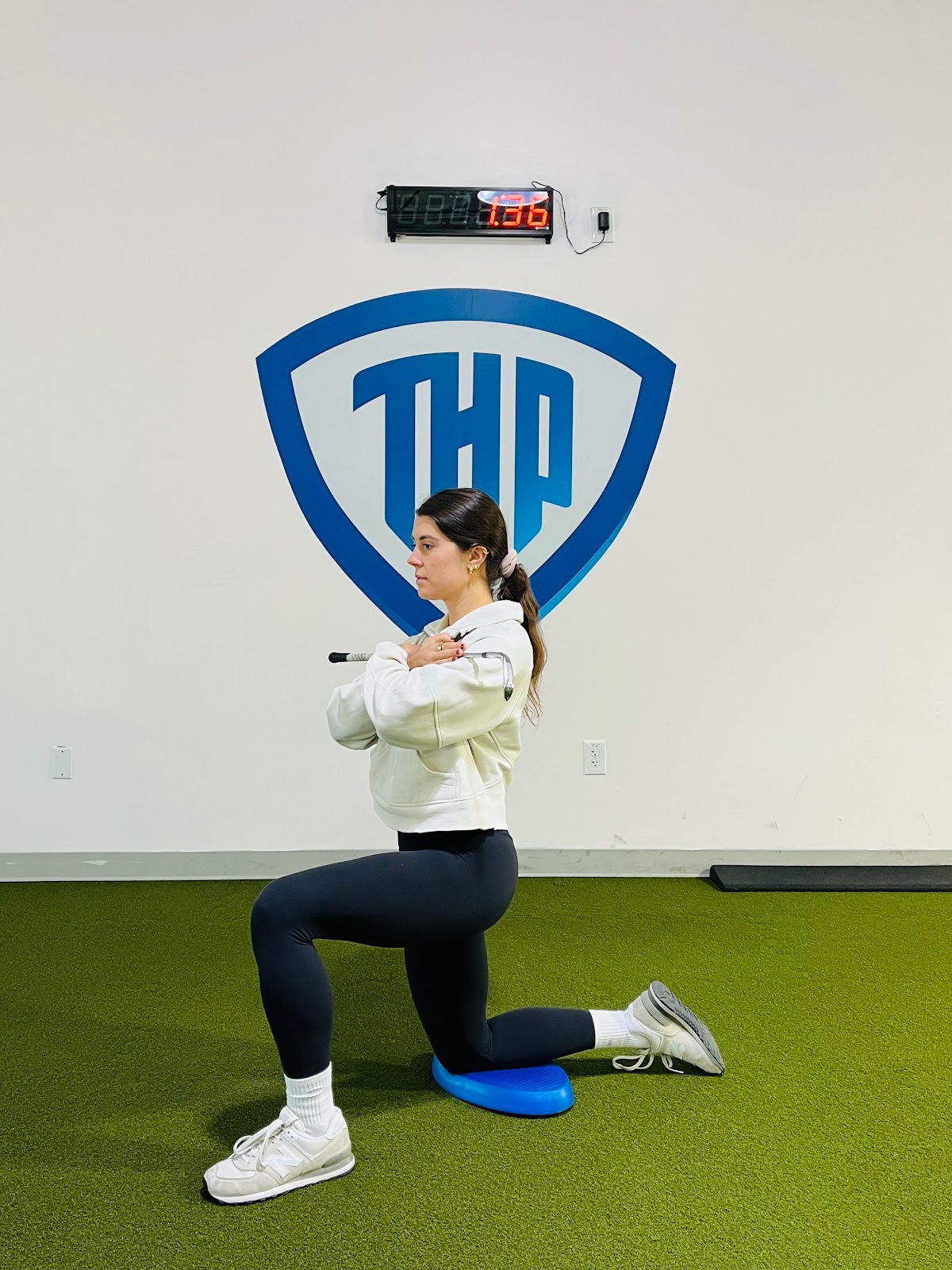
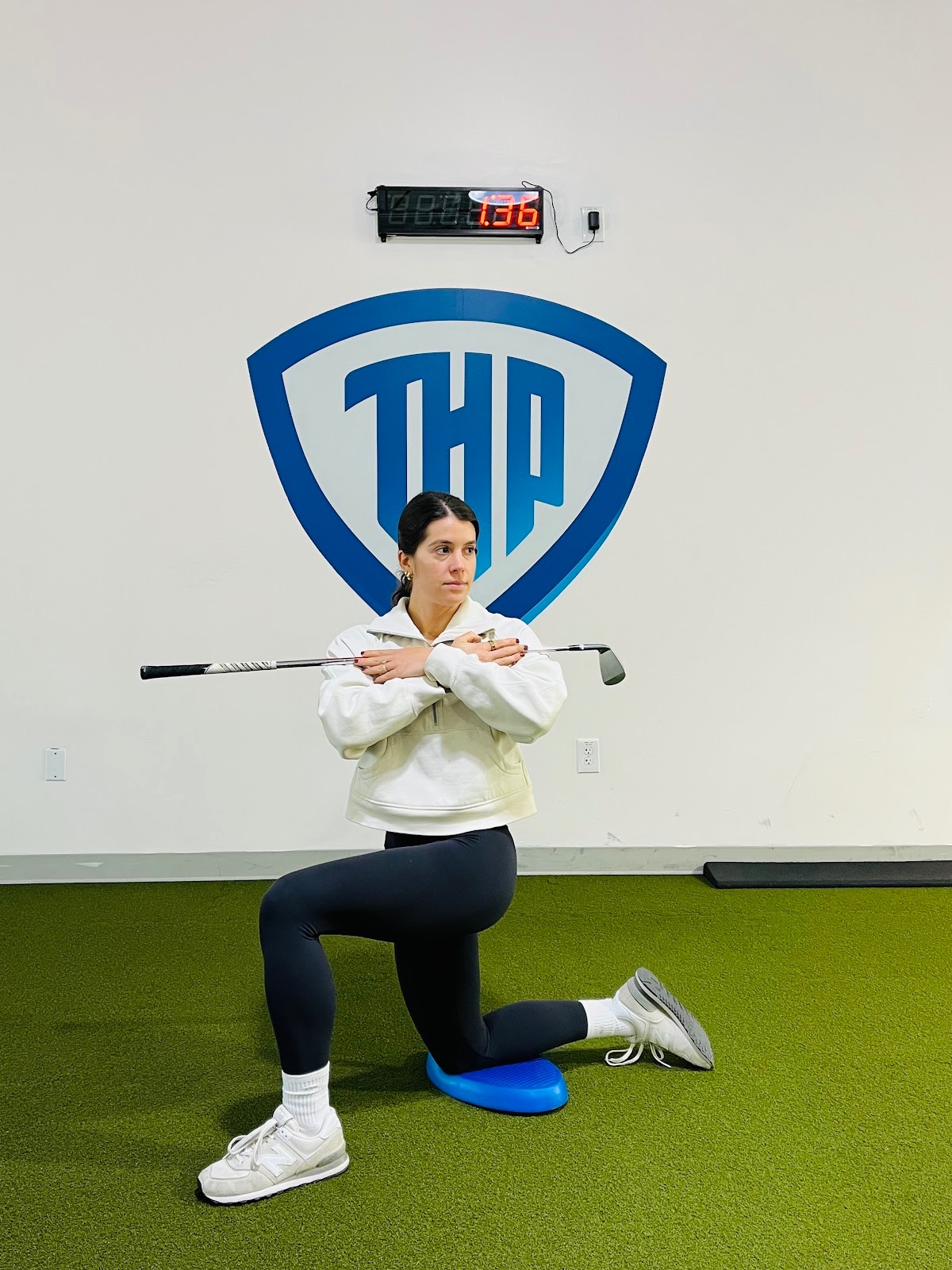
Half-Kneeling Thoracic Rotation
Why it works:
The half-kneeling position locks the pelvis in place, forcing rotation to come from the thoracic spine rather than the low back. This reinforces true upper–lower body separation.
How to do it:
- Set up in a half-kneeling position (front knee bent, back knee down).
- Lightly brace your glutes and core to prevent pelvic movement.
- Place one hand behind your head or hold a club across your shoulders.
- Rotate your torso toward the lead side, keeping hips completely still.
- Return to center with control.
Coaching cues:
- “Ribs rotate over a quiet pelvis.”
- “Move slow—control the range.”
Why g
Why golfers need it:
Improves upper-body rotation without stealing motion from the lumbar spine, directly improving backswing and follow-through mechanics.
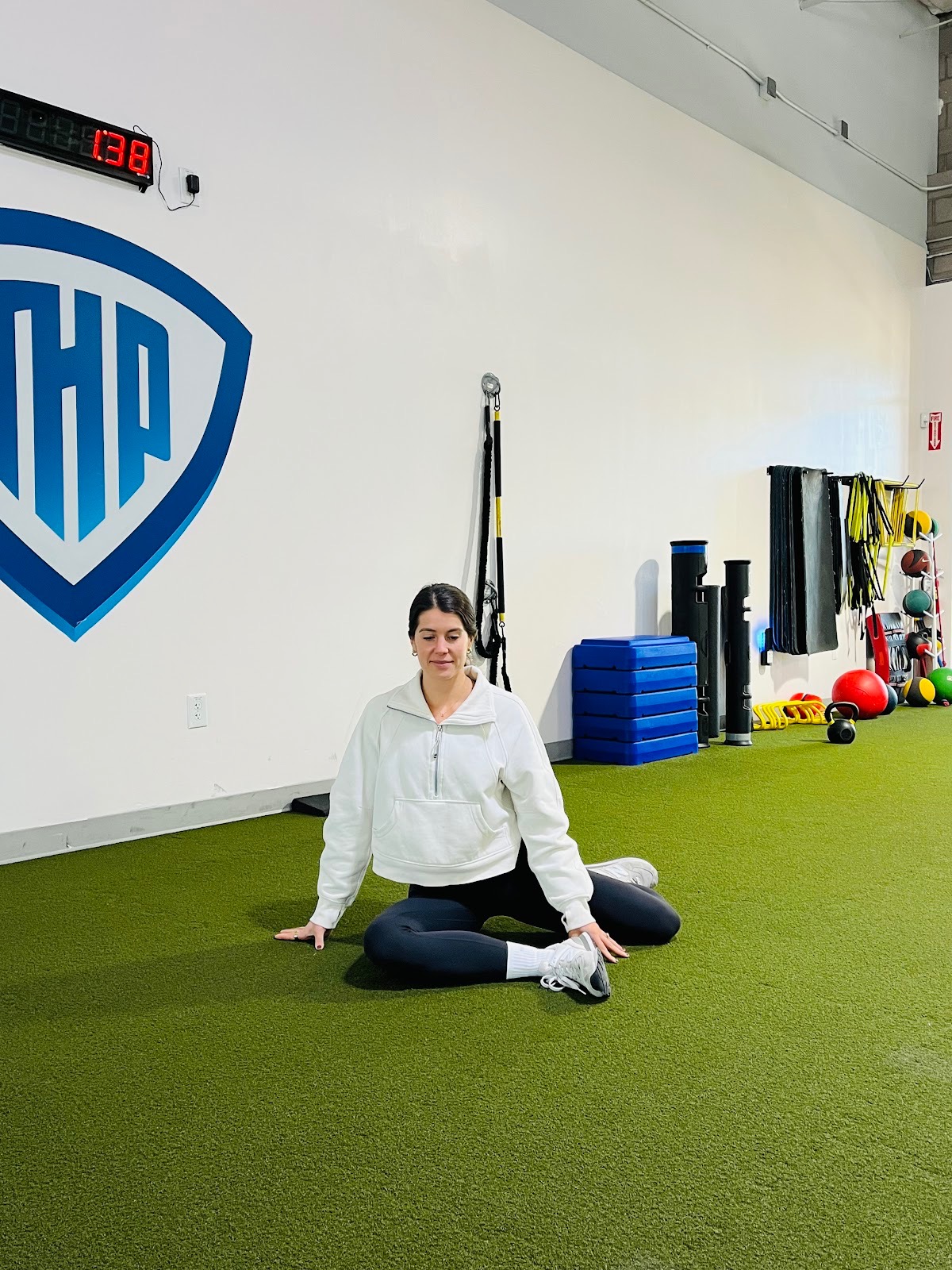
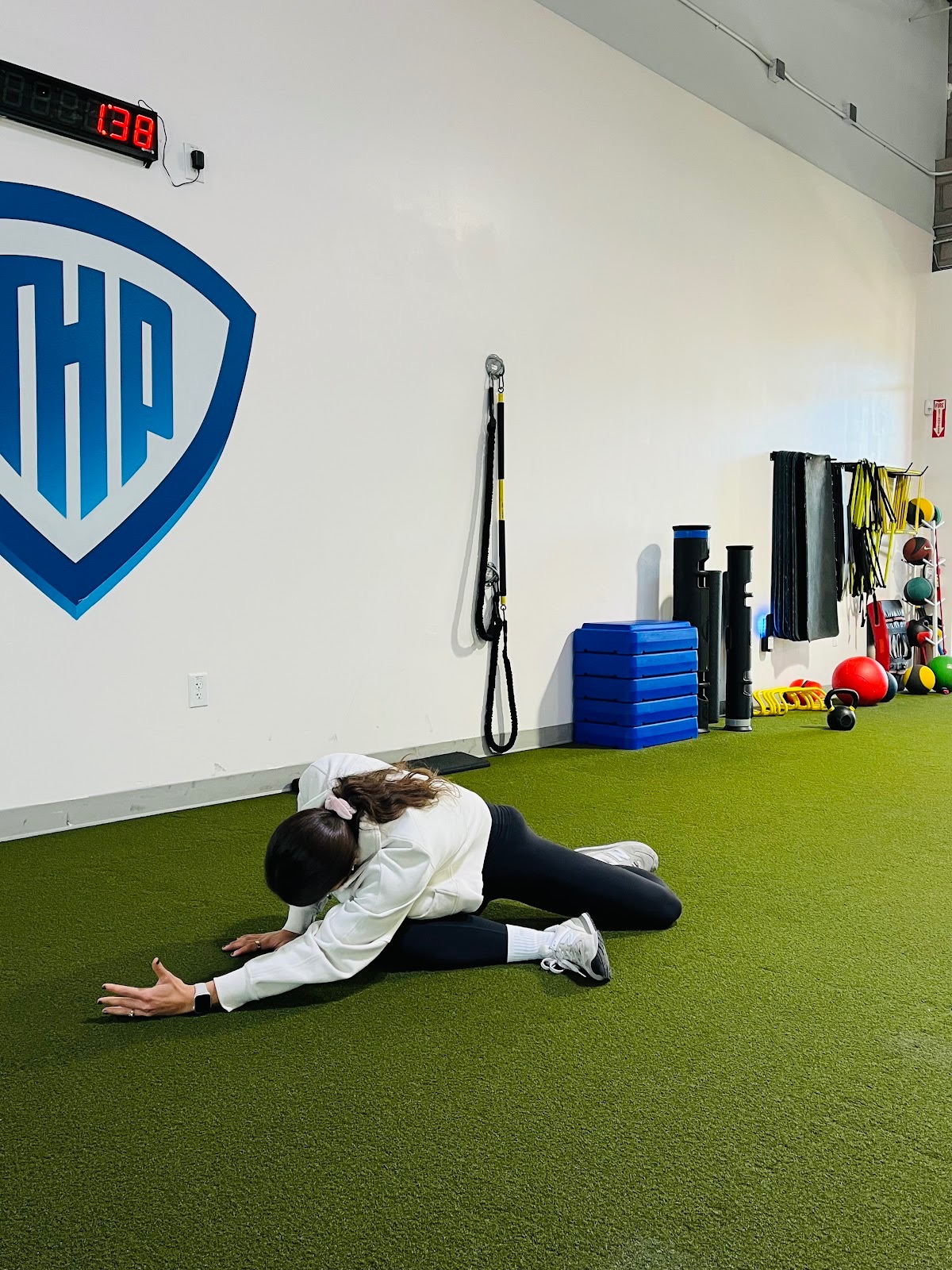
90/90 Hip Transfers with Thoracic Reach
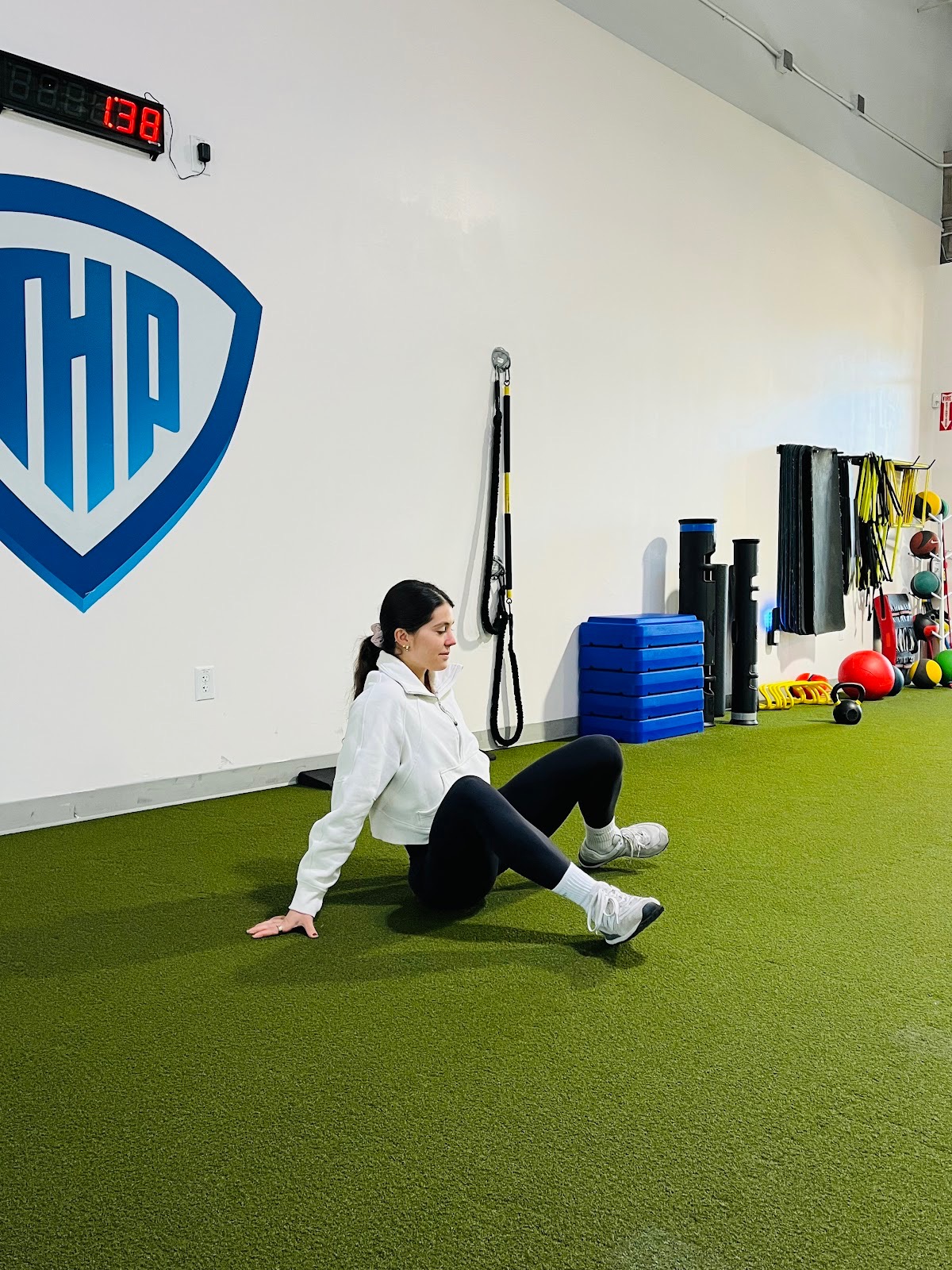
Why it works:
This drill integrates hip internal and external rotation with thoracic movement—exactly what happens during the transition from backswing to downswing.
How to do it:
- Sit on the floor in a 90/90 position (both knees bent at 90 degrees).
- Keep your chest tall and spine neutral.
- While maintaining hip position, rotate your torso toward your lead leg and reach across with the opposite arm.
- Return to center and repeat.
Coaching cues:
- “Hips stay heavy, spine stays tall.”
- “Rotation comes from the rib cage, not momentum.”
Why golfers need it:
Enhances lower-body stability while improving rotational freedom above—key for controlling direction, speed, and sequencing.
Standing Hip Lock + Thoracic Rotation
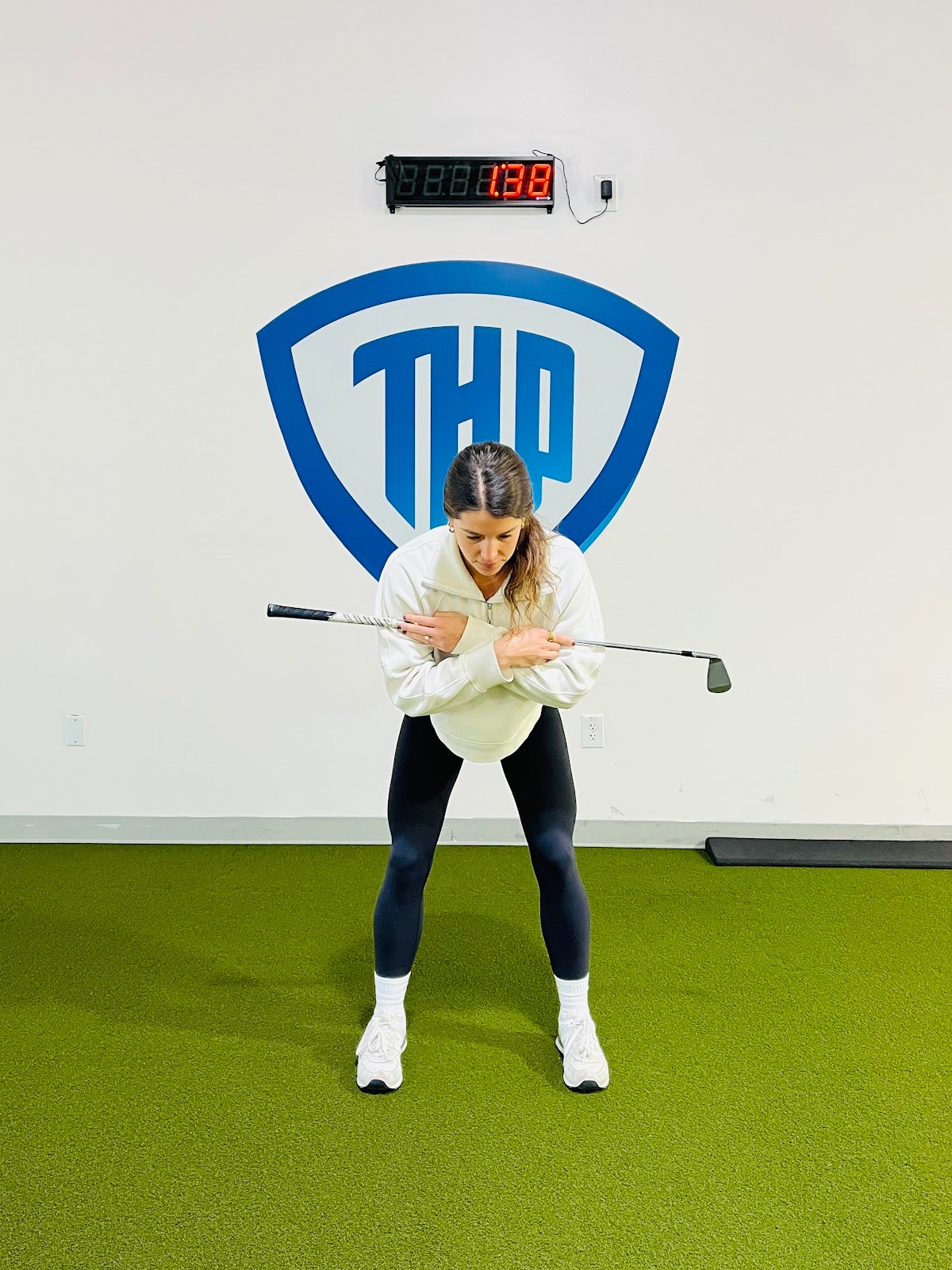
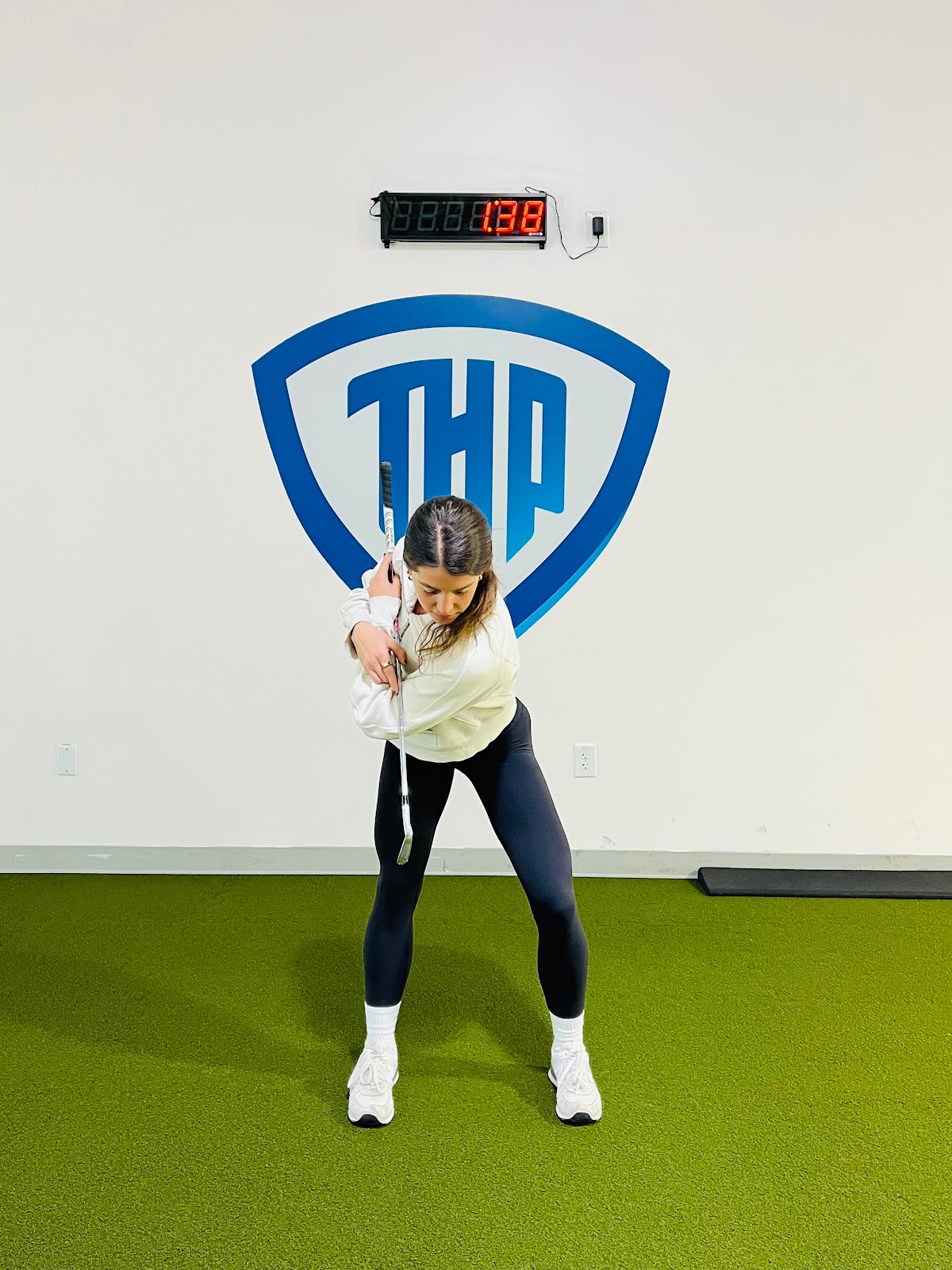
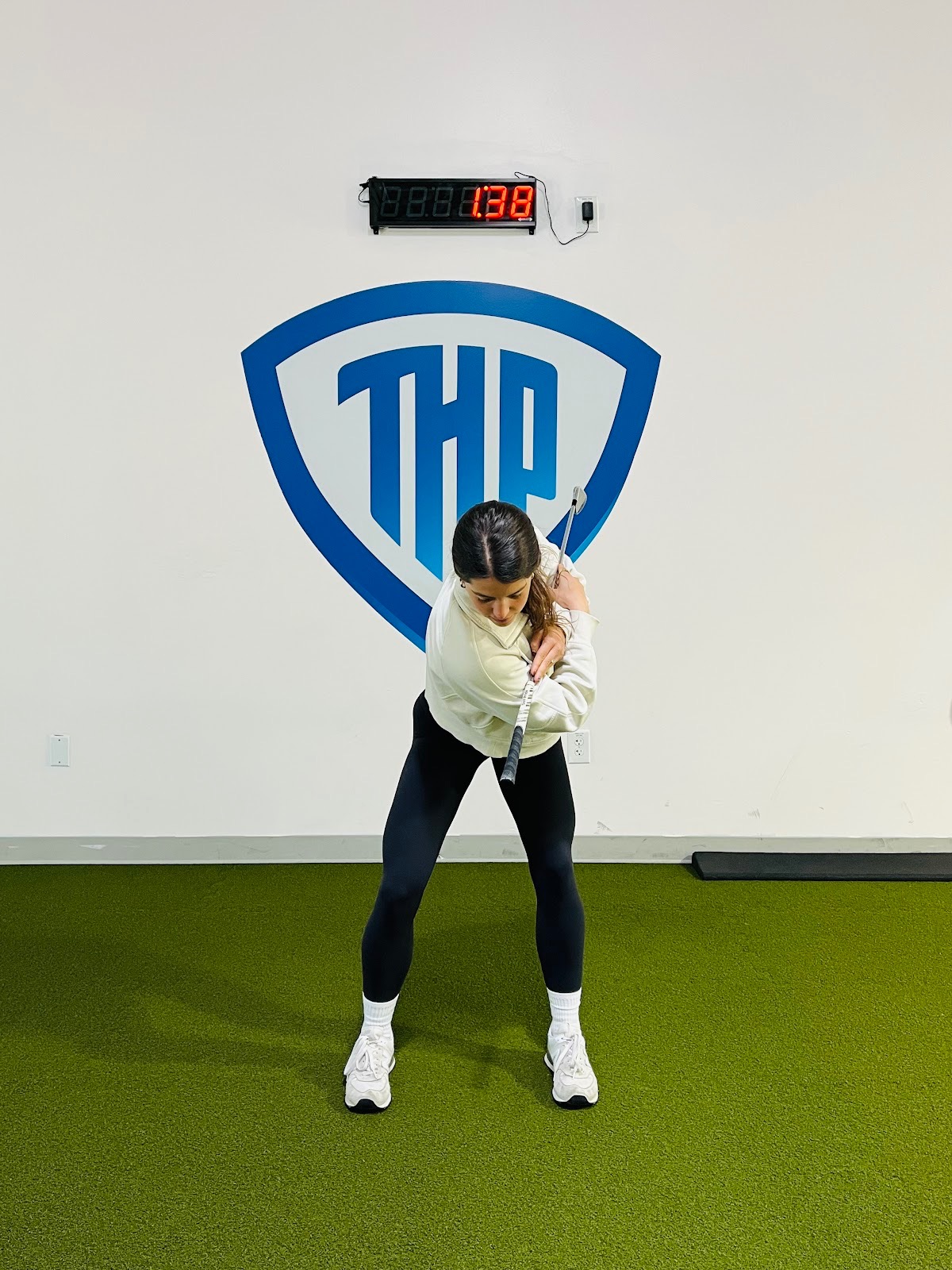
Why it works:
This is a functional, upright drill that closely mimics golf posture and swing demands. One hip is stabilized while the thoracic spine rotates over it—pure dissociation.
How to do it:
- Stand in your golf posture.
- Shift weight into your lead hip and lightly “lock” it in place.
- Cross your arms or hold a club across your chest.
- Rotate your upper body away from the lead hip, then back through the center.
- Keep hips steady the entire time.
Coaching cues:
- “Lead hip stays quiet.”
- “Rotate around a stable axis.”
Why golfers need it:
Trains the body to produce rotation where it should come from—setting the stage for cleaner energy transfer and improved clubhead speed.
Why This Matters More Than Stretching Alone
Mobility without control creates instability.
Strength without mobility creates restriction.
To swing efficiently, golfers need:
- Mobility in the thoracic spine
- Stability in the hips and pelvis
- Dissociation between the two
These drills don’t just increase range—they teach the body where to move and where not to, which is the foundation of longevity and performance in golf.
Final Thought
If your swing feels forced, inconsistent, or stressful on your body, the solution may not be technical—it may be mechanical.
Restore thoracic rotation.
Build hip control.
Train separation.
Power becomes easier when movement is cleaner.


